DENOMINAZIONE DI ORIGINE CONTROLLATA
RISERVA
RUBICONE ROSSO
DENOMINAZIONE DI ORIGINE CONTROLLATA E GARANTITA
SECCO
DENOMINAZIONE DI ORIGINE CONTROLLATA E GARANTITA
SECCO
DENOMINAZIONE DI ORIGINE CONTROLLATA
LONGIANO
The wines obtained from grapes sourced from a particular, specific vineyard that has grown in a determined area, capable of producing a particularly excellent wine, are defined as a Cru vineyard when the climate, soil, and other factors, both natural and not, give the wine unique and specific characteristics, different from those found in other wines produced in nearby areas.
In France, in the Champagne region, a mono-cru wine is made with grapes from a specific village, while in Alsace and Burgundy, the wine made from a single cru is produced with grapes from a precise vineyard, which gives the wine its name and is written on the label.
And in Italy, does it make sense to talk about a cru? The answer is no. In Italy, unlike France, there is no law that defines a hierarchical classification of micro-territories in relation to the quality of vineyards, although in some regulations, the use of additional geographical mentions referring to micro-areas is allowed.
However, the closest analogy to the French cru is the geographical mention, which refers to the name of the municipality, fraction, or vineyard (in this case, the law also allows the addition of “vigna”) that is added to the denomination. Barolo is the most famous example.

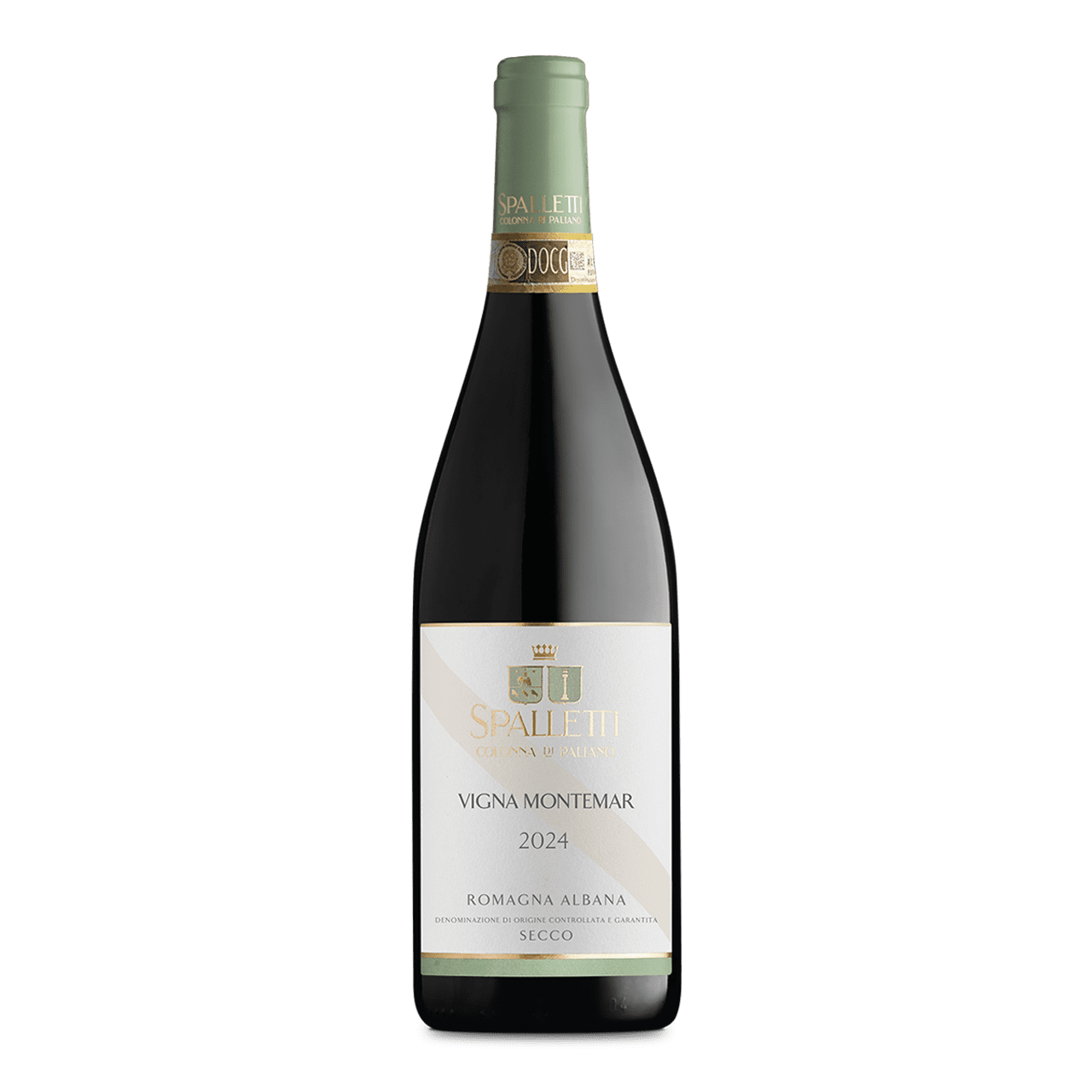
VIGNA MONTEMAR
DENOMINAZIONE DI ORIGINE CONTROLLATA E GARANTITA
ROMAGNA ALBANA SECCO
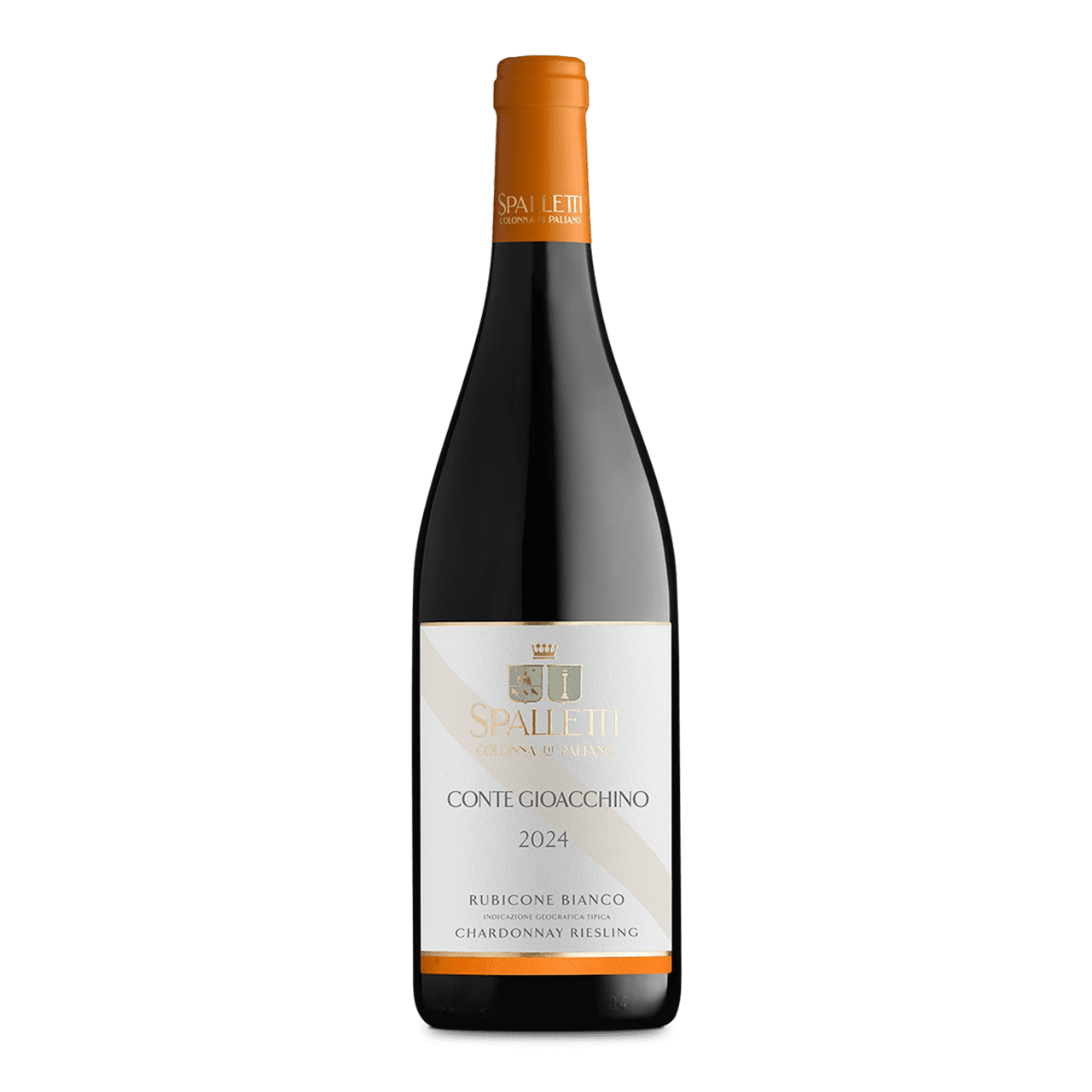
CONTE GIOACCHINO
INDICAZIONE GEOGRAFICA TIPICA
RUBICONE BIANCO CHARDONNAY RIESLING
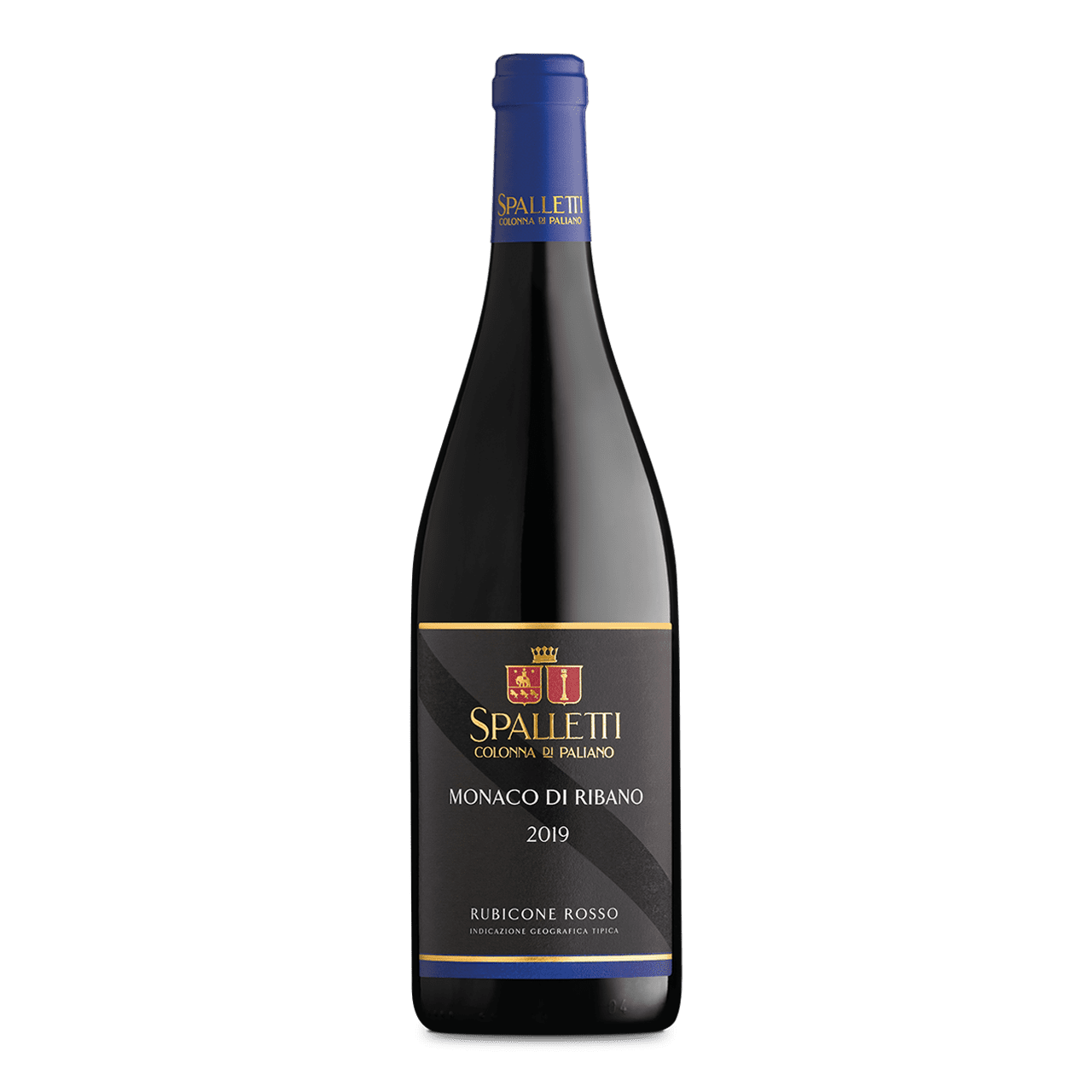
MONACO DI RIBANO
INDICAZIONE GEOGRAFICA TIPICA
RUBICONE ROSSO
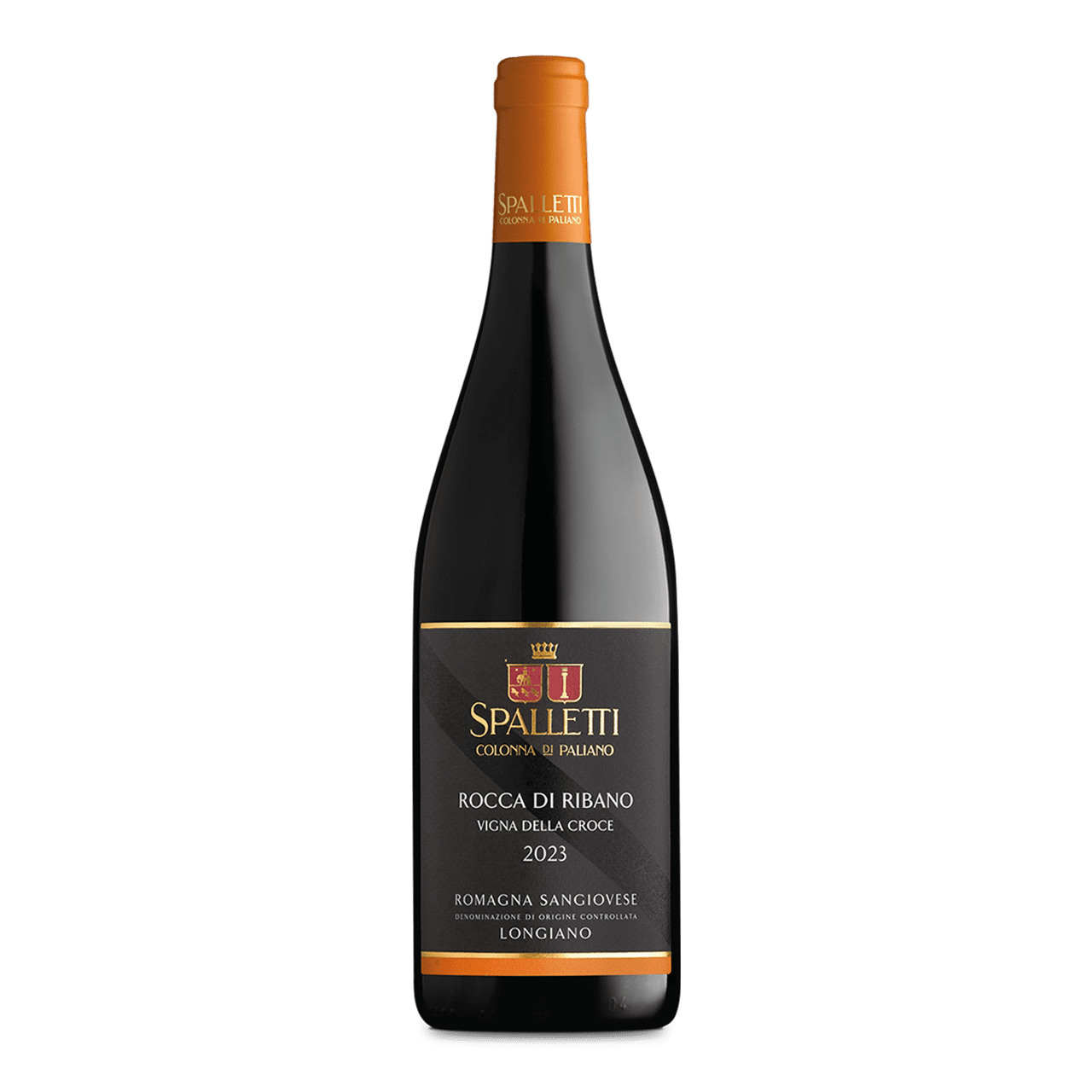
ROCCA DI RIBANO
VIGNA DELLA CROCE
DENOMINAZIONE DI ORIGINE CONTROLLATA
ROMAGNA SANGIOVESE LONGIANO
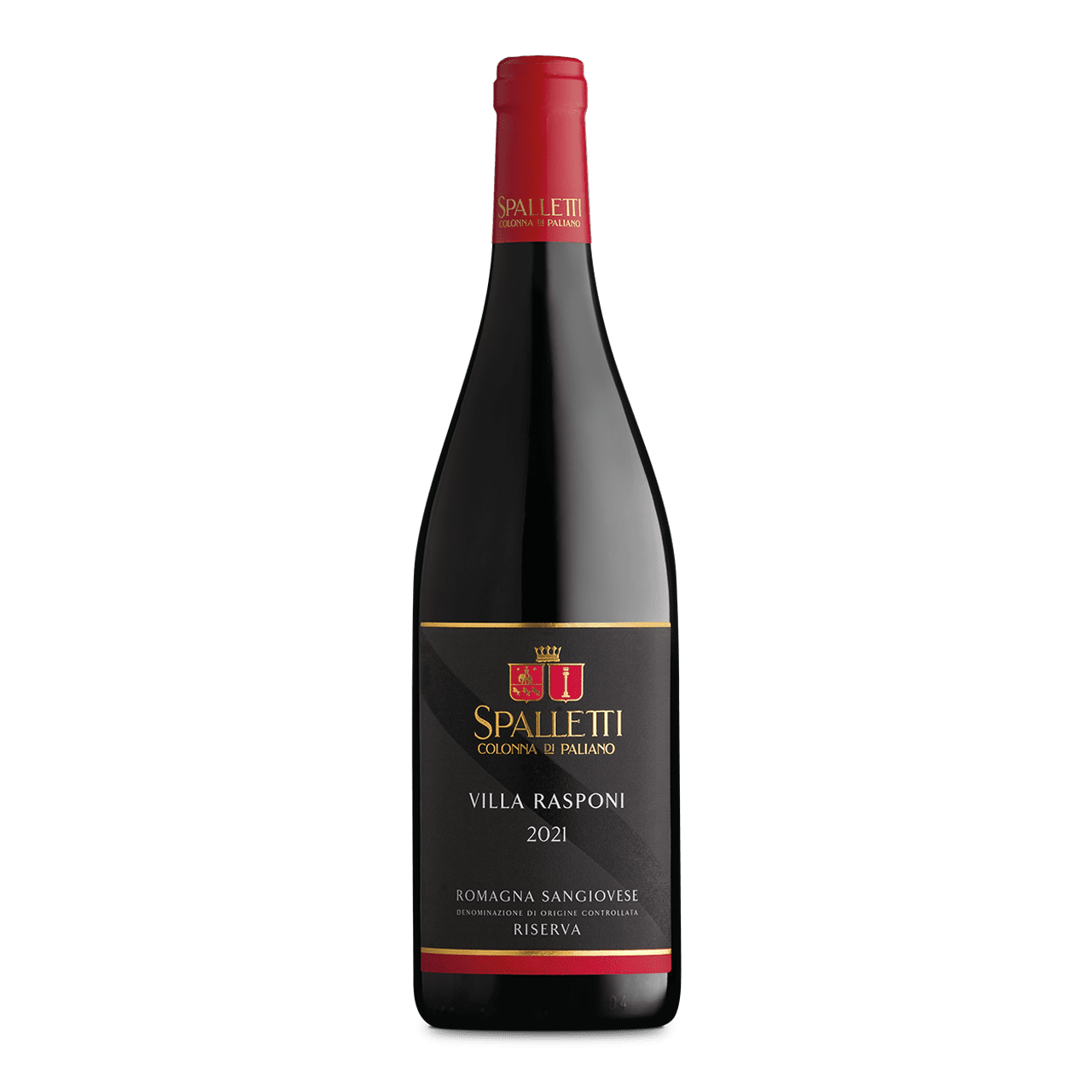
VILLA RASPONI
ROMAGNA SANGIOVESE
DENOMINAZIONE DI ORIGiNE CONTROLLATA
RISERVA